Highlights Of The Program
2 days business program:
Learn from real-world case studies by industry leaders.
SHOWCASING INNOVATION:
Discover the latest technology and techniques from across the industry.
leaders talk:
Hear from top-level experts about how to stay ahead in a fast-changing industry.
MULTIPLE STREAMS:
A business program that is multi-disciplinary, giving you a broad view of the industry.
SMART TECHNOLOGIES:
Explore the latest smart and AI-driven solutions, and see how they can be used in your business.
roundtable discussion:
Join talks with industry peers. Share ideas, make connections, and find new partners.
Program 2026
DAY 1 :
MONDAY, 27 APRIL, 2026
08:00 - 09:00
REGISTRATION AND MORNING REFRESHMENTS
09:00 - 09:10
OPENING ADDRESS
09:10 - 09:35
WELL OPTIMIZATION UTILIZING WELLHEAD COMPRESSION
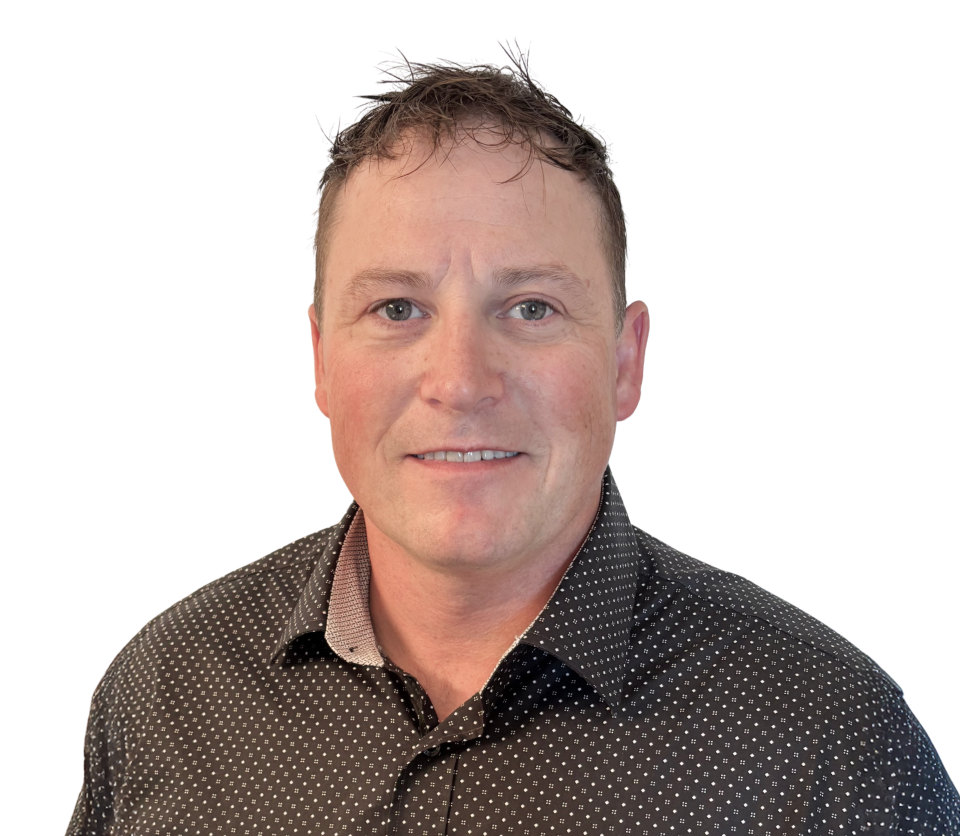

Eric Boles
Compressco Canada
- Examining compressor tie-in and downhole pressure effects for casing gas systems
- Evaluating pressure-reduction benefits and plunger cycle performance in lift wells
- Analyzing compressor integration and injection settings in GAPL and gas lift operations
- Reviewing real-world case studies to validate uplift projections and field success
09:35 - 09:40
Q&A SESSION ON EFFECTIVE COMPRESSION SOLUTIONS TO IMPROVE WELL PERFORMANCE
09:40 - 10:05
PCP DESIGN AND RECYCLE PUMP EFFECTIVENESS ON LEGACY HEAVY OIL CHOPS


Shubham Garg
Prospera Energy Inc.
- Explaining how optimized PCP rotor sizing and softer elastomers enable controlled sand production
- Demonstrating how incremental sand influx supports wormhole development and sustained oil flow
- Illustrating how recycle pumps and casing oil injection help maintain clean, productive wellbores
- Featuring field results from legacy CHOPS pools showing improved recovery and production growth
10:05 - 10:10
Q&A SESSION ON ARTIFICIAL LIFT SOLUTIONS FOR BOOSTING HEAVY OIL RECOVERY
10:10 - 10:35
GAS LIFT OPTIMIZATION CHALLENGES AND PERFORMANCE DRIVERS IN MONTNEY OIL WELLS


Dean Gordon
Weatherford
- Investigating how casing and tubing size limitations constrain gas lift design options and influence operational flexibility in Montney oil wells
- Assessing modern production testing challenges and pressure constraints that complicate identifying optimal gas lift injection points
- Providing insight into how high initial production rates and temperature sensitivity impact gas lift valve behavior during early well life
- Stressing the role of valve performance, multiphase flow understanding, and gas passage behaviour in preventing inefficient multipointing
10:35 - 10:40
Q&A SESSION ON MODERN GAS LIFT STRATEGIES FOR UNCONVENTIONAL OIL PLAYS
10:40 - 11:00
MORNING COFFEE BREAK IN THE EXHIBIT AREA
SPONSORED BY HORIZON ENGINEERING
11:00 - 11:30
PANEL DISCUSSION ON DESIGNING LIFT SYSTEMS: KEY CONSIDERATIONS FOR CONVENTIONAL AND UNCONVENTIONAL RESERVOIRS


- Addressing horizontal wells with intermittent gas/fluid slugging, using rod pumping to manage gas interference, sustain output, and adapt surface units across decline curves
- Balancing upfront capital spend with lift system longevity and reliability, pushing systems to operational limits while adjusting designs with changing oil prices
- Designing lift systems across decline stages for wide production ranges, targeting life-of-well run life while considering materials for increasingly corrosive environments
- Planning artificial lift across reservoir life, sizing ESPs for early-stage unconventional production, and addressing key ESP failure causes and mitigation strategies
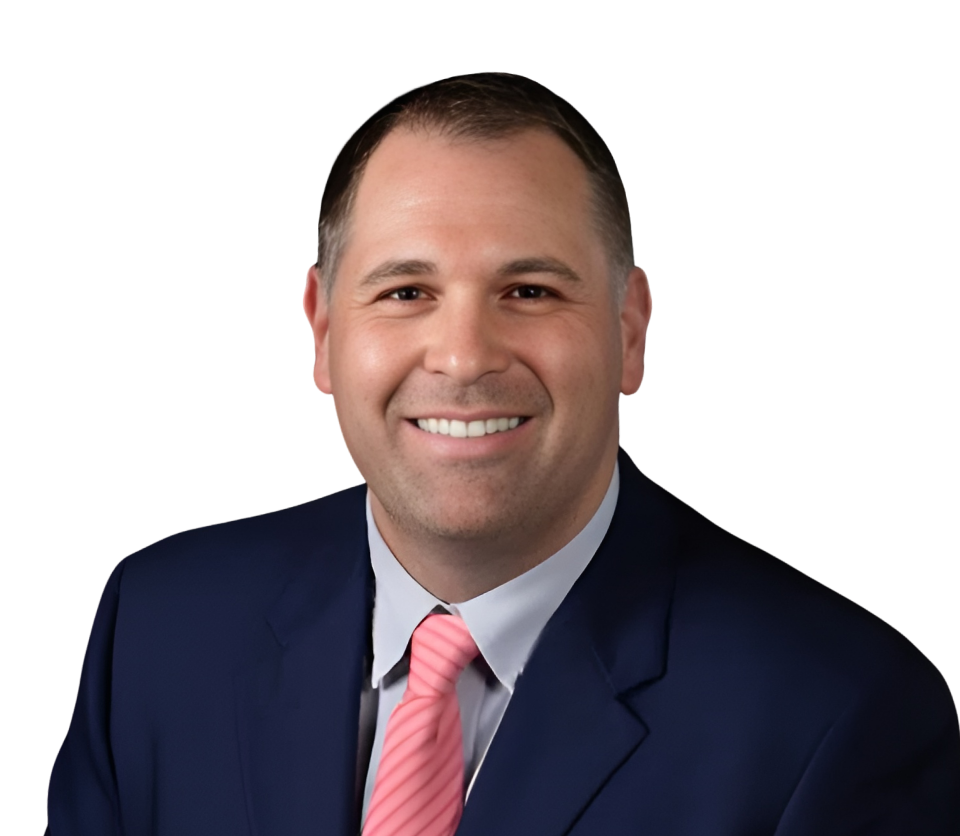
Brock Hendrickson | Citation Oil & Gas Corp. | Moderator
Dave Krug | 480PLUS™ Energy
Shubham Garg | Prospera Energy Inc.
Dean Gordon | Weatherford
David Corona | Alkhorayef Petroleum Company
11:30 - 11:55
ENHANCED DIAMOND FACE MECHANICAL SEAL TECHNOLOGY FOR ESP SERVICES


Andreas Pehl
EagleBurgmann
- Discussing the limitations of traditional hard-face mechanical seals under high-pressure, abrasive conditions, and in poor-lubrication environments
- Walking through how crystalline diamond coatings improve wear resistance, reduce friction, and enhance seal stability in demanding ESP applications
- Articulating laboratory and field results demonstrating increased seal life, reduced failure rates, and improved ESP system reliability
- Spotlighting the operational and economic value for manufacturers, operators, and end users deploying diamond-enhanced sealing technology
11:55 - 12:00
Q&A SESSION ON ADVANCED SEALING SOLUTIONS FOR HIGH-DEMAND ESP APPLICATIONS
12:00 - 12:25
REACTIVE VS. PROACTIVE- FIELD STUDY OF OPERATIONAL EFFICIENCY AND DOWNTIME

Brock Hendrickson
Citation Oil & Gas Corp.
- Scrutinizing how proactive pump changes reduced average well downtime by 70 percent versus post-failure workovers
- Quantifying how daily POC reporting increased base production by 6 percent while cutting utility usage by 20 percent
- Revisiting how optimized operator workflows reduced well testing time by 70 percent using real-time mass balances
12:25 - 12:30
Q&A SESSION ON MAINTENANCE STRATEGIES FOR REDUCING DOWNTIME AND BOOSTING FIELD PERFORMANCE
12:30 - 13:30
NETWORKING LUNCH AND VISITING THE ARTIFICIAL LIFT EXHIBITION
13:30 - 13:55
HOLDING FLUID IN THE CURVE WITH A HORIZONTAL CHECK VALVE


Ryan Beeton
QSO Inc.
- Grasping how horizontal check valves improve gas lift performance in deviated wells
- Learning how to prevent fallback and maximize recovery in artificial lift systems
- Discovering the operational benefits of installing check valves in high-angle curves
- Displaying how QSO’s patented design improves efficiency and reduces well intervention
13:55 - 14:00
Q&A SESSION ON INTEGRATING TECHNOLOGY INTO STRATEGIC OILFIELD TRANSFORMATION
14:00 - 14:25
THE SEAMLESS TRANSITION FROM ROTARY TO LINEAR REVITALIZING DEPLETED AND COMPLEX WELLS WITH ADVANCED LESP TECHNOLOGY
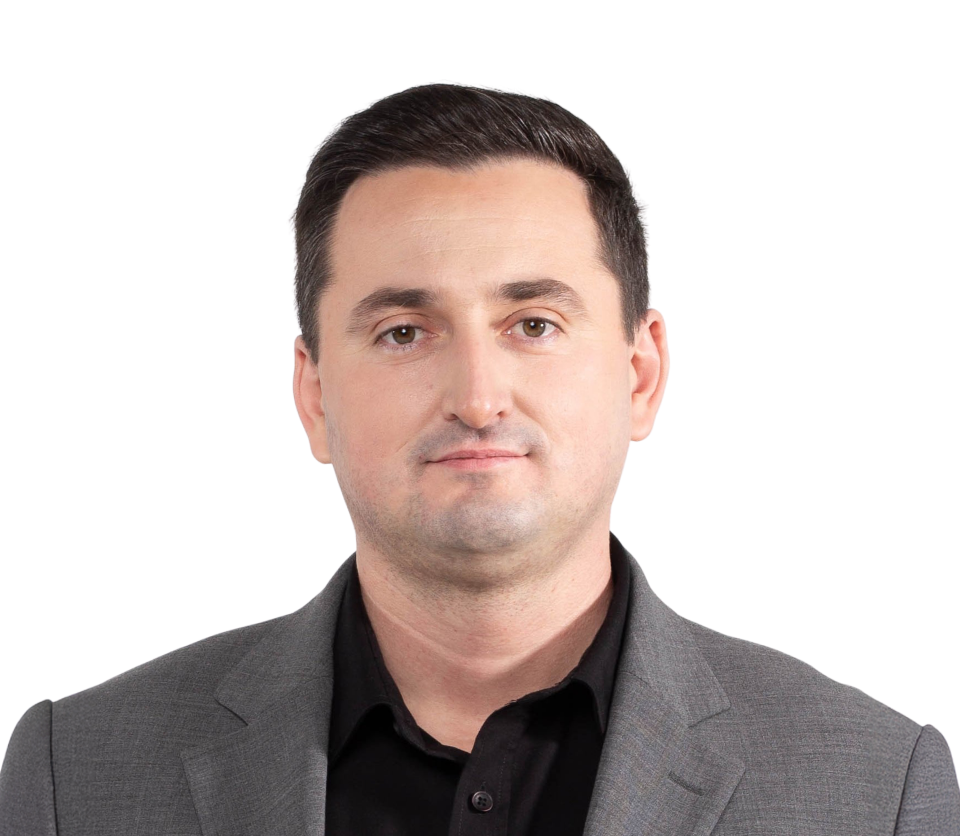

Tomasz Pacha
Triol Corporation
- Outlining how depleted and complex wells can be reactivated by replacing ESPs without new surface infrastructure or retraining
- Evidencing how LESP technology delivers stable lift performance in high-viscosity fluids, high temperatures, and gas-prone conditions
- Showing how intelligent operating logic prevents gas lock while maintaining continuous production in challenging well environments
- Contextualizing how autonomous inflow synchronization improves drawdown control, reduces operating costs, and maximizes production efficiency
14:25 - 14:30
Q&A SESSION ON ADVANCED LESP TECHNOLOGY TO RESTORE PRODUCTION IN COMPLEX WELLS
14:30 - 14:55
OPERATIONAL INTELLIGENCE IN OIL AND GAS: AI-DRIVEN OPTIMIZATION WITH CONTEXTUALIZED DATA


Riley Moore
Ambyint
- Uniting and contextualizing data to deliver clearer visibility into well behaviour, enabling earlier detection of anomalies and performance risks
- Elevating diagnostic accuracy through domain-trained AI models that connect SCADA signals, lift configurations, and historical failures into one intelligence layer
- Revealing how real-world case studies show operators improving uptime, optimizing drawdown, and reducing interventions through automated lift-specific recommendations
- Exemplifying practical guidance on how integrated data pipelines and scalable AI frameworks support continuous optimization across diverse field operations
14:55 - 15:00
Q&A SESSION ON AI-DRIVEN OPTIMIZATION TO BOOST PRODUCTION AND WELL PERFORMANCE
15:00 - 15:30
AFTERNOON COFFEE BREAK IN THE EXHIBIT AREA
SPONSORED BY HEBEI MATSON METAL TECH CO.
15:30 - 15:55
RAPID ESP TECHNOLOGY DEVELOPMENT TO OVERCOME THE LEARNING CURVE FOR ONE OF THE TOUGHEST PRODUCTION ENVIRONMENTS IN MEXICO OFFSHORE

David Corona
Alkhorayef Petroleum Company
- Characterizing the complex lifting challenges in the Campeche Oriente reservoir caused by ultra-heavy oil, high H2S and CO₂, and declining pressure
- Summarizing rapidly developed ESP technologies that help maintain production efficiency and extend equipment runlife in harsh offshore conditions
- Detailing key advancements in completion design, cables, motors, pumps, and surface equipment that improve operational reliability
- Sharing field performance results and outlining future ESP innovations designed to ensure long-term production stability and runlife improvement
15:55 - 16:00
Q&A SESSION ON ESP TECHNOLOGY INNOVATION FOR OFFSHORE PRODUCTION RELIABILITY
16:00 - 16:25
PREDICTIVE DIAGNOSTICS FOR ESP RELIABILITY AND OPTIMIZATION: LEVERAGING REAL-TIME ESA TECHNOLOGY IN WELL OPERATIONS


Amin Adolfo Claib Meinhardt
Sensia Global | SLB
- Detecting early signs of electrical or mechanical issues remotely to reduce risks and confirm faults without exposing personnel to high voltage environments
- Maintaining real-time ESP diagnostics even after sensor failure to support stable, uninterrupted production without unnecessary shutdowns
- Increasing safety and system uptime by extending ESP run life, minimizing well interventions, and eliminating hazardous field checks
- Powering predictive, sensor-independent monitoring via cloud-enabled ESA systems to boost offshore ESP reliability and reduce downtime
16:25 - 16:30
Q&A SESSION ON REAL-TIME TECHNOLOGY FOR RELIABLE AND OPTIMIZED ESP OPERATIONS
16:30 - 16:55
OPTIMIZING ARTIFICIAL LIFT PERFORMANCE IN HIGH-DEMAND WELLS: PRACTICAL STRATEGIES TO REDUCE FAILURES AND MAXIMIZE PRODUCTION


Benjamin Pepple
Innovex
- Chronicling common artificial lift failure mechanisms and practical methods to prevent premature system breakdowns
- Inspecting field-tested optimization approaches that extend run life while improving overall production efficiency
- Navigating cost-conscious lift system selection strategies suited for high-demand and operationally complex wells
- Offering operational best practices that balance reliability, performance, and long-term asset value
16:55 - 17:00
Q&A SESSION ON PRACTICAL METHODS TO OPTIMIZE ARTIFICIAL LIFT PERFORMANCE
17:00 - 18:00
NETWORKING DRINKS RECEPTION
DAY 2 :
TUESDAY, 28 APRIL, 2026
08:30 - 09:00
MORNING REFRESHMENTS
09:00 - 09:10
OPENING ADDRESS
09:10 - 09:35
DIFFERENTIATING PUMP-OFF AND GAS INTERFERENCE USING REAL-TIME PLUNGER VELOCITY
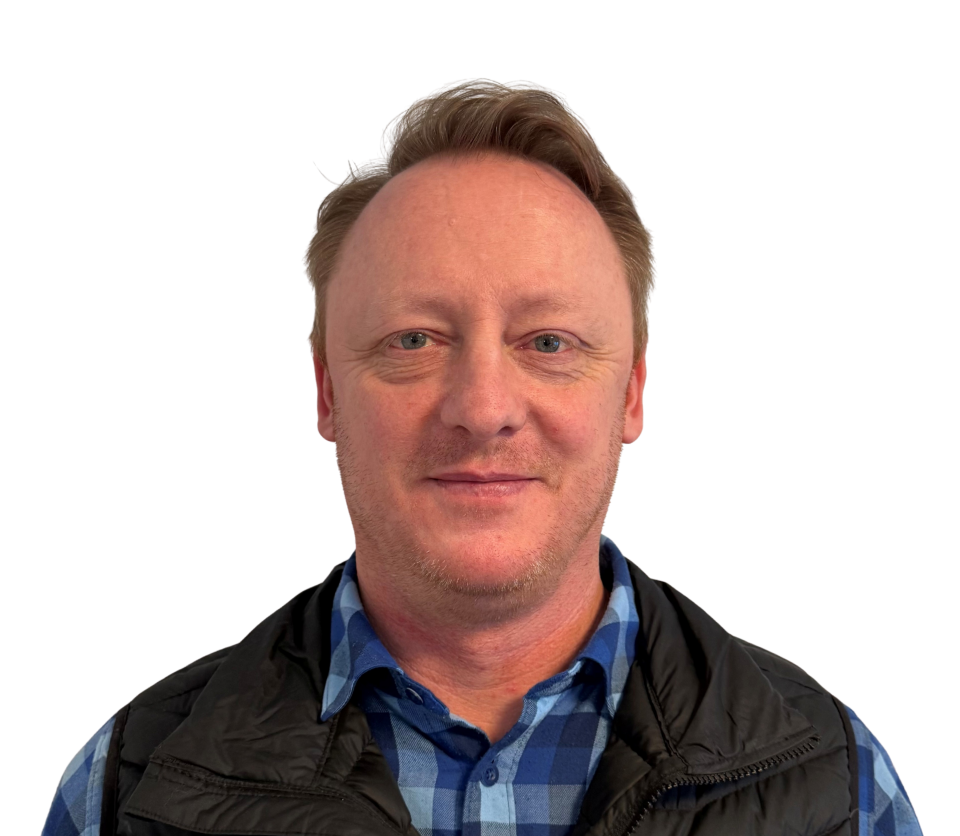

Dallas Barrett
Liberty Lift Solutions, LLC
- Moving beyond pump fillage as the sole control metric by incorporating real-time plunger velocity data to improve decision accuracy and operational insight
- Improving production outcomes by identifying true pump-off versus gas interference conditions, thereby avoiding unnecessary slowdowns during high fluid levels

Russell Messer
Liberty Lift Solutions, LLC
- Enhancing control strategies to reduce operational risks while capturing incremental production that is often left unrealized
- Adapting real-world field learnings to optimize rod pumping performance across varying well conditions
09:35 - 09:40
Q&A SESSION ON ADVANCED CONTROL TECHNIQUES FOR ROD PUMPING OPTIMIZATION
09:40 - 10:05
THE ROLE OF TECHNOLOGY IN ADAPTATION AND ASSET INTEGRATION
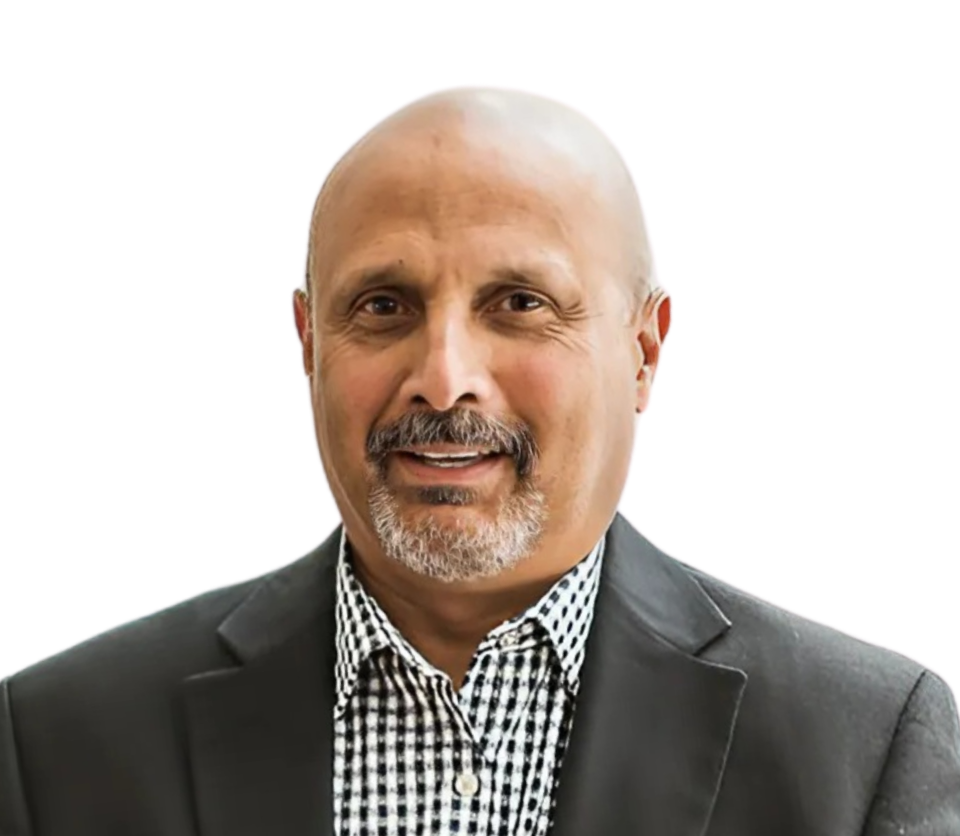

Dave Gajadhar
ResultantGroup
- Synchronizing with cross-chain technologies to align people, assets, and automation systems
- Unpacking how innovation supports infrastructure resilience and compliance goals
- Conducting a premortem to proactively uncover and mitigate implementation risks
- Transforming businesses to enhance efficiency, competitiveness, and sustainability
10:05 - 10:10
Q&A SESSION ON MAXIMIZING ARTIFICIAL LIFT EFFICIENCY IN CURVED WELL OPERATIONS
10:10 - 10:35
AIM FRAMEWORK FOR ARTIFICIAL LIFT OPTIMIZATION: LIFECYCLE, DIGITAL SURVEILLANCE, AND PERFORMANCE-DRIVEN STRATEGIES


Wahyu Wardani
SLB
- Identifying key run‑life limiters in artificial lift systems across unconventional assets, including solids loading, scale and corrosion at pump intake, and gaps in operational surveillance.
- Presenting a lifecycle‑based AIM Framework that aligns controlled flowback, multiphase‑flow stabilization, artificial‑lift selection and transition, and late‑life optimization to improve system reliability for Artificial Lift
- Demonstrating integrated digital‑surveillance workflows that connect automated choke control, downhole monitoring, and chemical‑treatment data for early anomaly detection, solids/scale diagnostics, and predictive failure response.
- Highlighting performance‑driven commercial models that link service‑partner incentives to measurable outcomes such as lift run life, production uptime, deferred‑production reduction, and total cost of lift across unconventional wells
10:35 - 10:40
Q&A SESSION ON DATA-DRIVEN SOLUTIONS FOR REDUCING FAILURE IN ESP AND LIFT SYSTEMS
10:40 - 11:00
MORNING COFFEE BREAK IN THE EXHIBIT AREA
SPONSORED BY FLO-RITE FLUIDS
11:00 - 11:30
PANEL DISCUSSION ON REDUCING DOWNTIME: THE ROLE OF AUTOMATION AND DIGITALIZATION IN ARTIFICIAL LIFT SYSTEMS

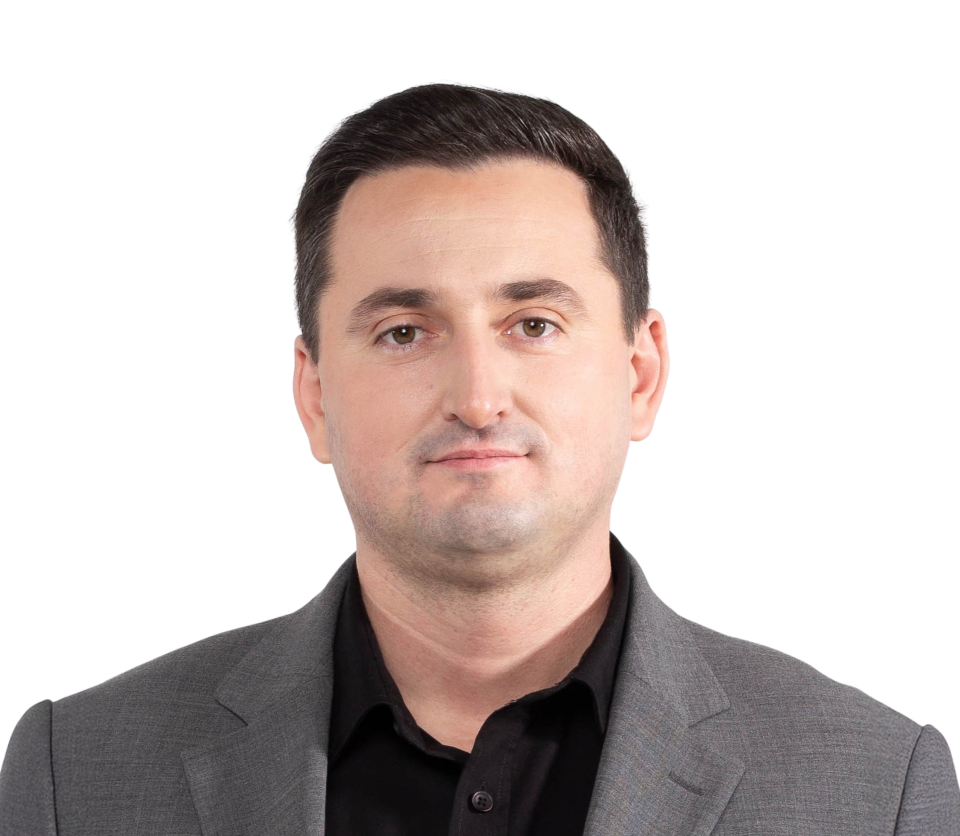


- Leveraging automation, real-time data, and predictive maintenance to cut downtime while overcoming implementation barriers
- Facilitating early detection through digitalization and integrating automation to reduce downtime in artificial lift operations
- Overcoming SCADA data-to-decision gaps while scaling predictive digital tools across lift types to improve reliability and reduce downtime
Dave Gajadhar | ResultantGroup | Moderator
Tomasz Pacha | Triol Corporation
Amin Adolfo Claib Meinhardt | Sensia Global | SLB
Riley Moore | Ambyint
11:30 - 11:55
MAGNETIC FLUID CONDITIONING: A FIELD-PROVEN METHOD TO PREVENT WAX DEPOSITION AND SUSTAIN ARTIFICIAL LIFT PERFORMANCE
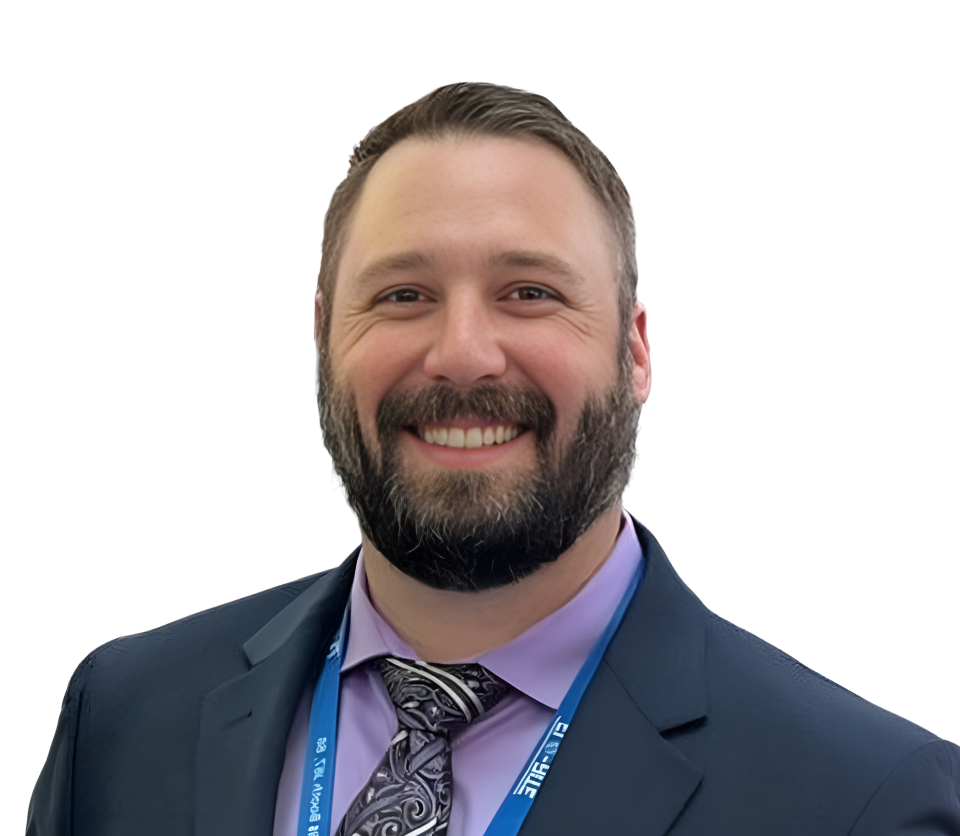

Brandt Poulin
FLO-RITE FLUIDS
- Analyzing the operational impact of wax deposition, including restricted flow, higher costs, downtime, and early artificial lift failure
- Elucidating how magnetic fields in fluid conditioning modify wax crystals to limit agglomeration and deposition without chemicals
- Exhibiting field case studies and economic outcomes demonstrating stabilized production, reduced interventions, and measurable cost savings across treated wells
11:55 - 12:00
Q&A SESSION ON INNOVATIVE CHEMICAL SOLUTIONS FOR PREVENTING WAX DEPOSITION IN ARTIFICIAL LIFT SYSTEMS
12:00 - 12:25
STOP GAS INTERFERENCE WITH SMART ULTRA-LONG DOWNHOLE PUMP MOTION CONTROL

Dave Krug
480PLUS™ Energy
- Mitigating gas interference challenges in horizontal and vertical wells using advanced downhole pumping strategies
- Elaborating on how autonomous polished rod motion control forces valve opening to stabilize pump performance
- Communicating how a controlled lift matched to fluid intake reduces fluid pounds and extends equipment life
12:25 - 12:30
Q&A SESSION ON LIFT AND PRODUCTION OPTIMIZATION THROUGH AUTONOMOUS PUMPING SYSTEMS
12:30 - 12:45
FEEDBACK & RAFFLE DRAW
12:45 - 14:00
NETWORKING LUNCH
Become a Speaker & Join the Conversation
SUBSCRIBE FOR UPDATES
By submitting, you agree to receive email communications from the event organizers, including upcoming promotions and discounted tickets, news, and access to related events.